

The Latest
-
 Joe Burns/Facilities Dive
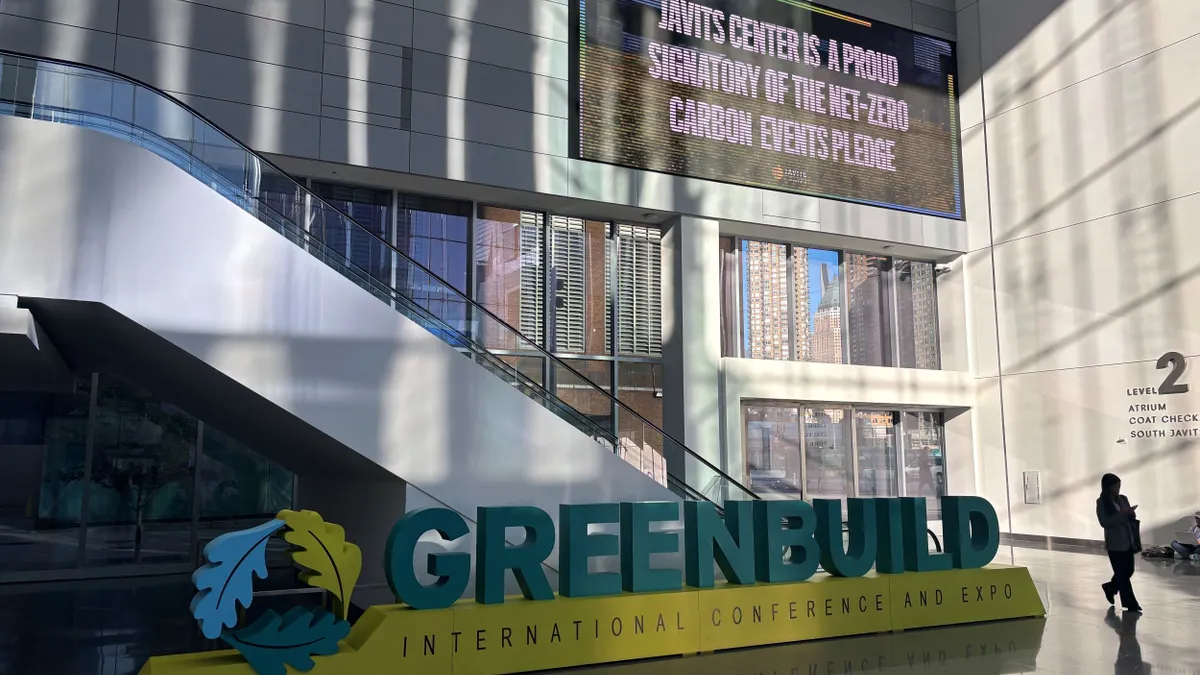
Data center sustainability presents an opportunity, USGBC official says
Community pushback against data centers might be alleviated by sustainable construction and operations, a U.S. Green Building Council executive says at the 2026 Greenbuild conference.
-
 Getty Images
Federal building occupancy rate unclear, GAO says
Much of the space is uncounted, and agencies’ use of different occupancy measures creates an incomplete picture, says the government watchdog.
-
 Getty Images
Energy management company touts revenue available to buildings with excess energy capacity
Facilities can function as part of a distributed computing system in return for rental income, Arcadia says.
-
 Julie Strupp/Facilities Dive
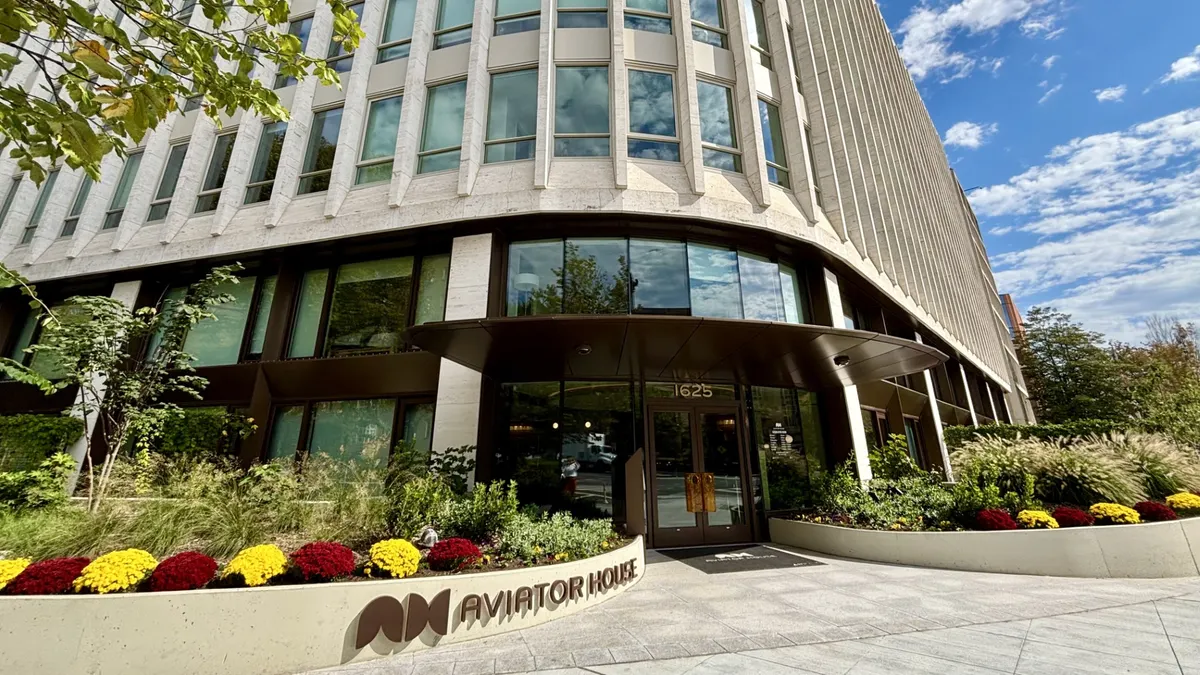
3 notable office-to-residential conversions in DC
For a conversion to be successful, “You need the good fundamentals. You need a good location,” says Peter Epstein of National Real Estate Development.
-
 Getty Images
Updated TRUE zero waste standard makes business case for certification
The U.S. Green Building Council has updated its TRUE standard to streamline requirements and make it easier for companies to document, track and reduce waste. Sports stadiums and major brands have the certification.
-
 Getty Images
Building systems as cyberattack targets. ‘We’re sitting on a time bomb,’ security expert says.
The recent European refrigeration cyberattack caused tens of millions of dollars in damages. Read Facilities Dive’s recent coverage of this and other cybersecurity concerns in building controls.
-
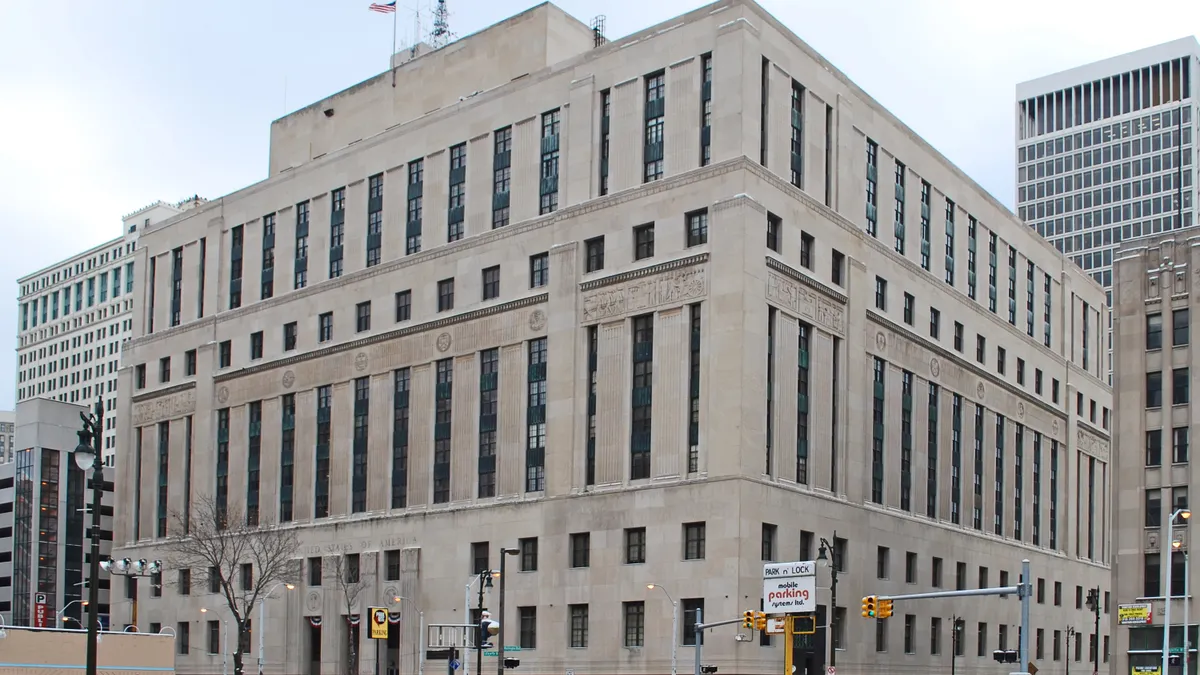
HVAC manufacturers ask judge to drop price-fixing case
There’s been no coordination to keep prices high and nothing in the proposed class action lawsuit filed earlier this year shows evidence of it, say the companies.
-
 Natalie Behring via Getty Images
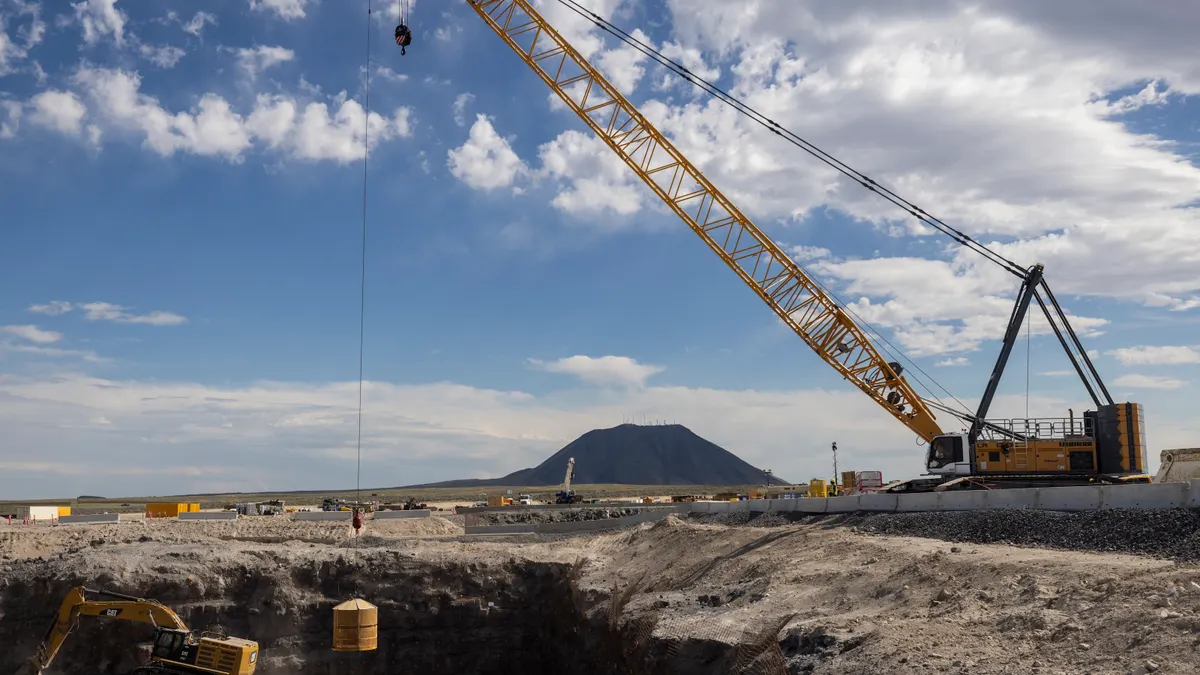
Iran conflict pushes construction prices to near 4-year high
Higher fuel costs coupled with tariff impacts on key materials drove construction prices up 11.2% year over year in September.
-
 Getty Images
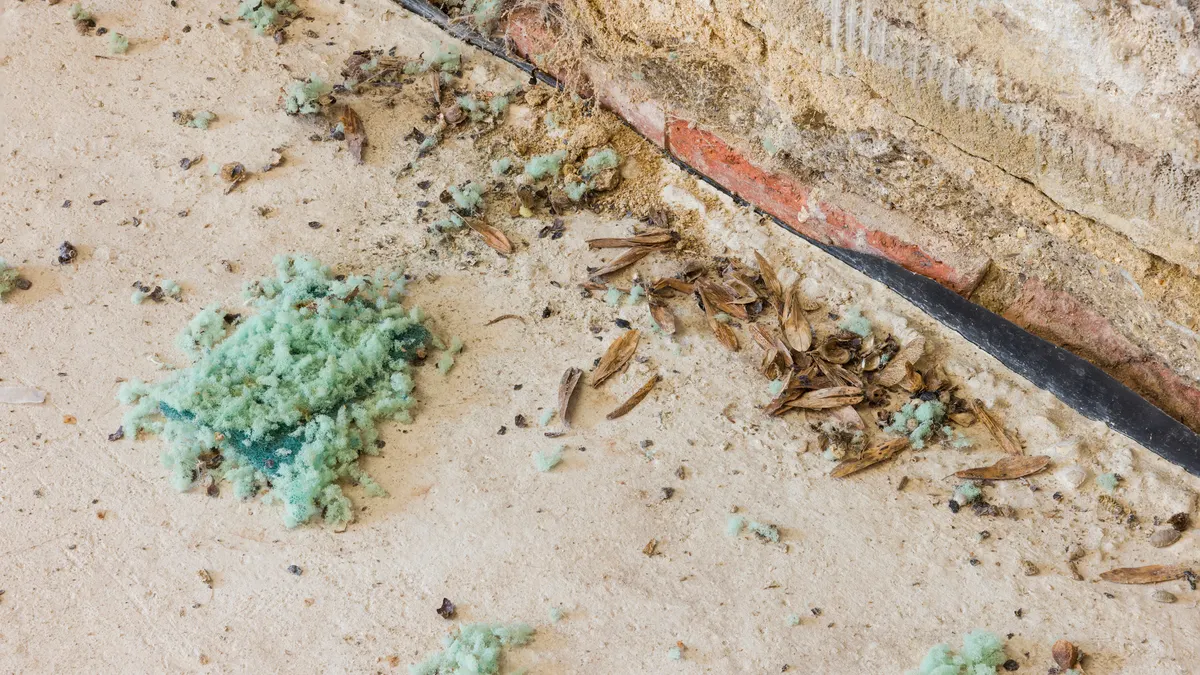
6 signs that rodents could be in your facility: NPMA
Experts at the National Pest Management Association and Orkin warn that rodent populations are rising, and that without control measures, organizations risk permanent reputational damage.
-
 Getty Images
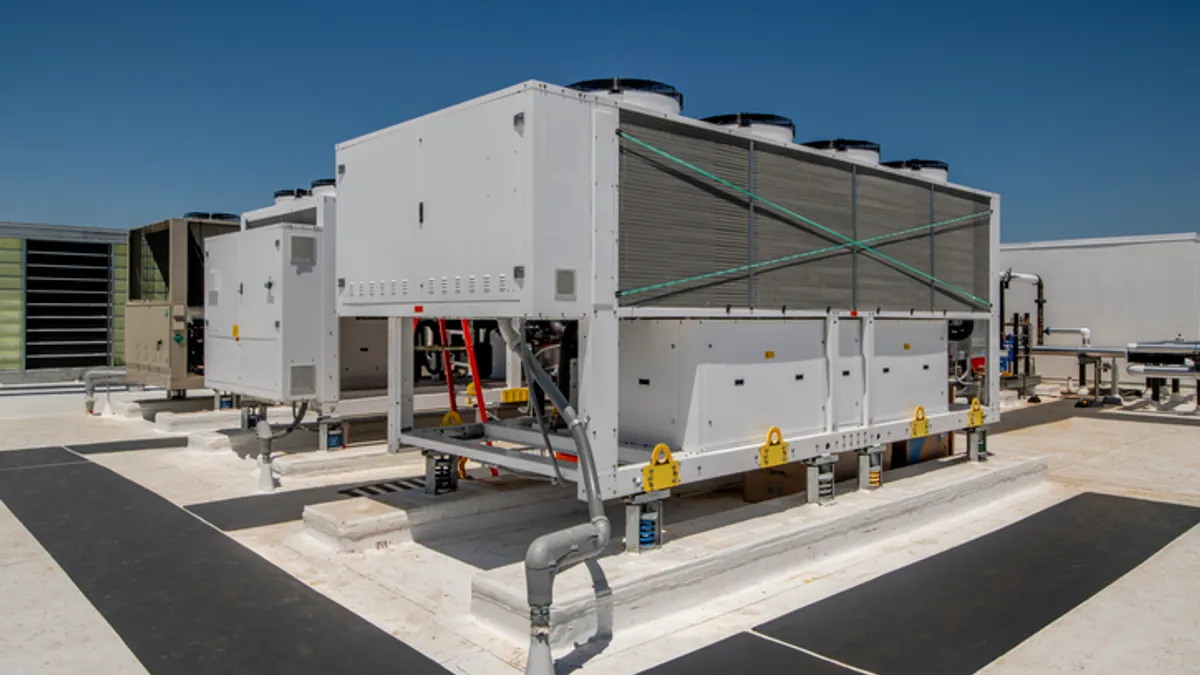
$19M funding round highlights desiccant HVAC potential: Mojave Systems
Liquid desiccant-based HVAC systems have attracted interest from the federal government for decades. Mojave says the technology is dramatically more efficient than traditional climate control systems.
-
 Getty Images
Opinion
Getty Images
OpinionClimate change isn’t just taught in schools. It’s disrupting them.
With wildfires and extreme weather becoming more frequent, school systems should appoint an IAQ manager and make building systems a part of planning and capital budgets.
-
 Alamy
Alamy
Thousands of refrigerator devices remain exposed following French cyberattack
The investigation points to a much wider risk for industrial systems across the globe.
-
 Getty Images
Honeywell Technologies beefs up Forge platform with operational AI capabilities
The Forge Cognition platform is underpinned by AI technology from Nvidia and Dell that will enable AI agents to demystify system data and automate processes, with help from humans as needed, the company says.
Updated Oct. 16, 2026 -
 Getty Images
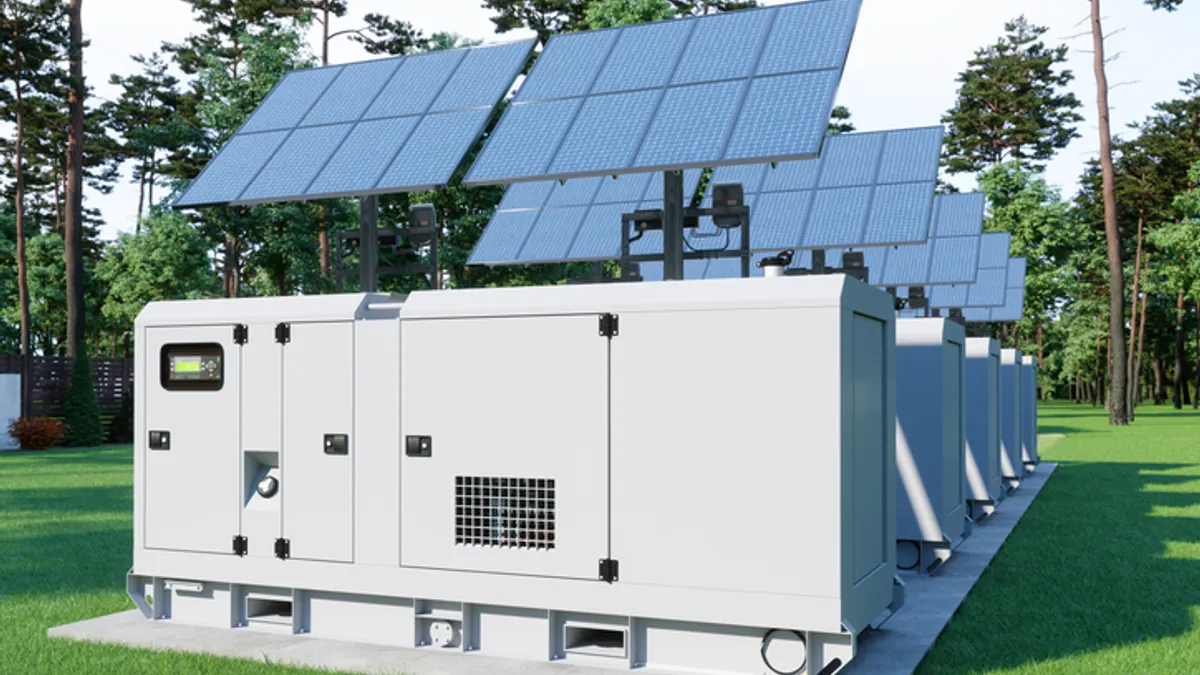
Facilities could benefit as on-site energy matures: attorney
Lower costs and improved technology are creating a promising environment for building operators to work with power producers to reduce their grid exposure, says David Streier of Fredrikson & Byron.
-
 Permission granted by SFPUC
More cities adopt programs for buildings to re-use water
In San Francisco, Salesforce Tower, the tallest building in the city, is one of 70 buildings that are reusing on-site water.
-
 Getty Images
Office recovery continues, but inventory and macroeconomic challenges remain: JLL
Many markets have surpassed pre-pandemic leasing volume, but the disposal and repurposing of non-performing buildings may slow as interest rates stay high, experts say.
-
 Getty Images
Robots can handle a third of physical jobs — but not yet cost-effectively: Anthropic
About 300,000 jobs are exposed today; 2.8 million could be at risk in seven years, says an analysis by the AI company.
-
 Benjamin Fanjoy via Getty Images
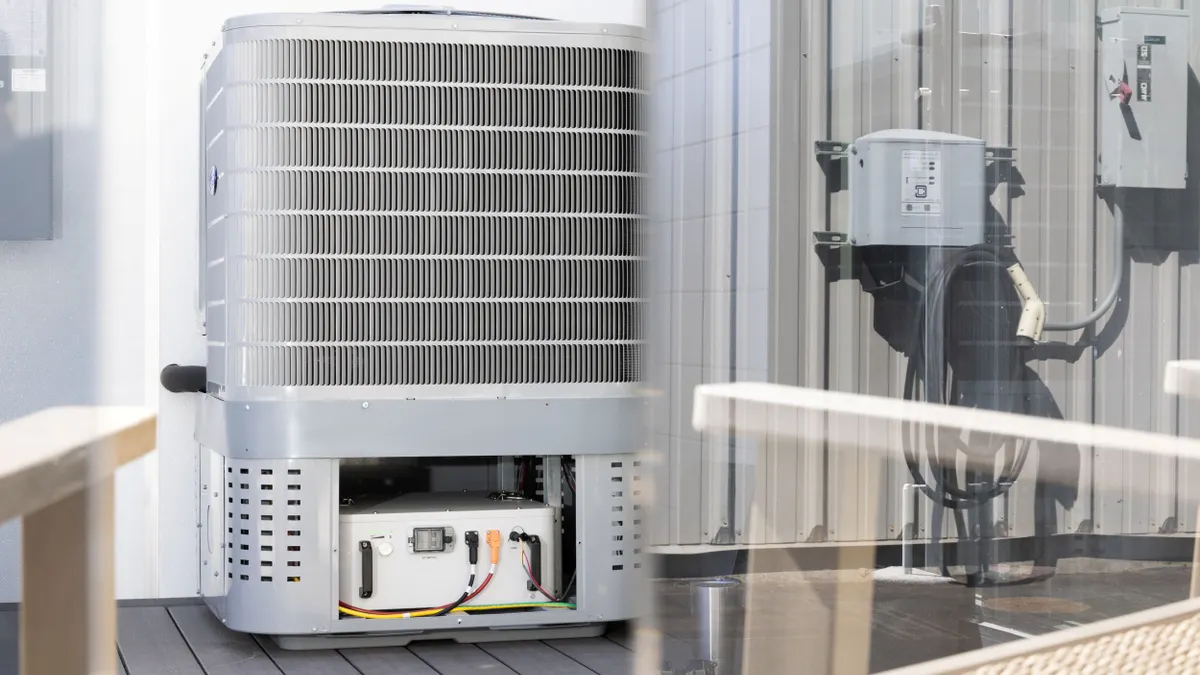
Battery system failures fell 98% in 7 years, but older systems need special care: report
The Electric Power Research Institute analysis found a dramatic drop in energy storage system failures from 2018 to 2025 amid a host of technology and project improvements. “Early-vintage” systems may require retrofits, however.
-
 AdrianHancu via Getty Images
Hack of Danfoss refrigeration controllers in Europe causes tens of millions in food losses
The incident, which affected hundreds of European supermarkets, should be a wake-up call to U.S. facilities with internet-vulnerable building automation systems, a security specialist says.
-
 Getty Images
Digital twins offer more than just visibility for facility stakeholders, experts say
Operators can use the digital models to interact with technicians and contractors or link them to asset management tools to speed up maintenance, says Matt Judge of Aramark Facilities Management.
-
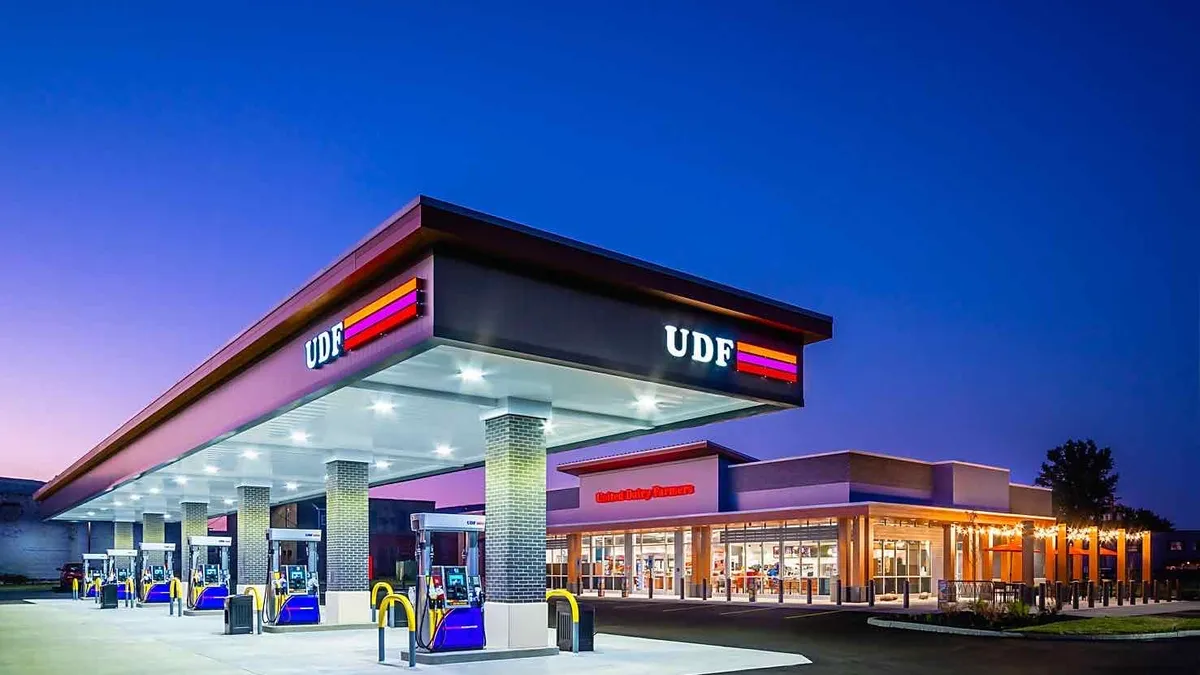 Permission granted by United Dairy Farmers
C-store chain adds EV fast charging to 6 Ohio sites
By pairing the charging stations with amenities, convenience store company UDF is hoping to make the locations “third places” that will be valuable to people.
-
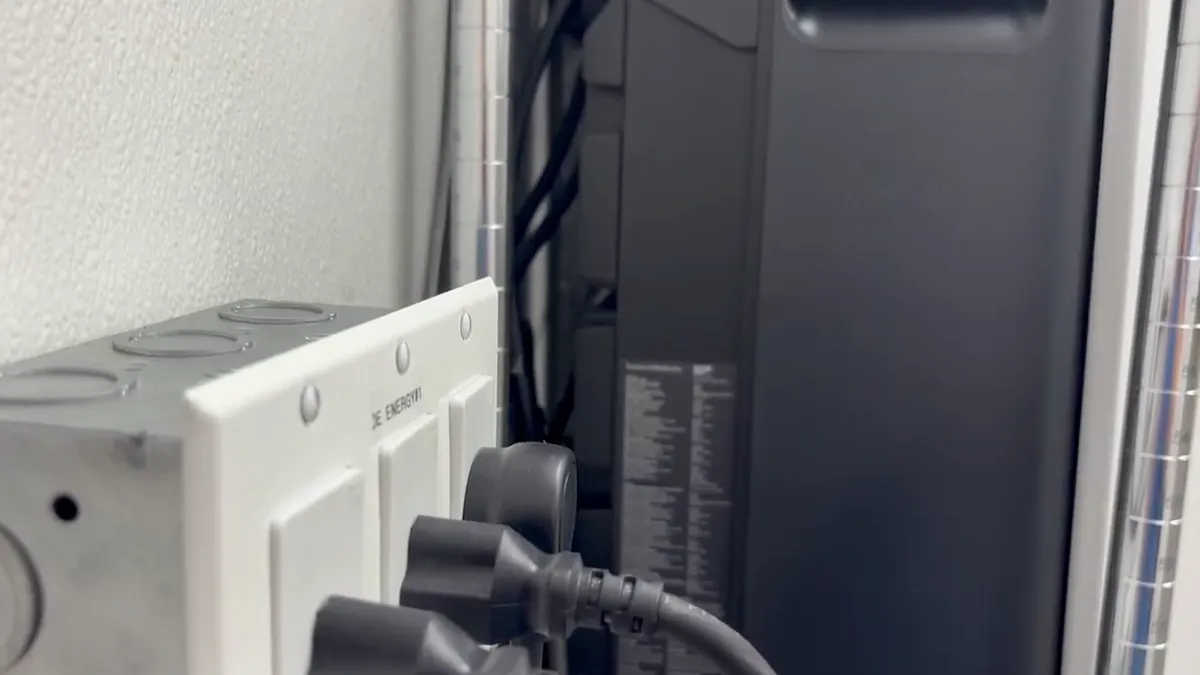 Courtesy of David Energy
How small batteries are helping one NYC business cut energy costs
A meal preparation company is saving about 5% in energy expenses by using batteries from David Energy, which makes its money on energy-cost arbitrage.
Updated Oct. 12, 2026 -
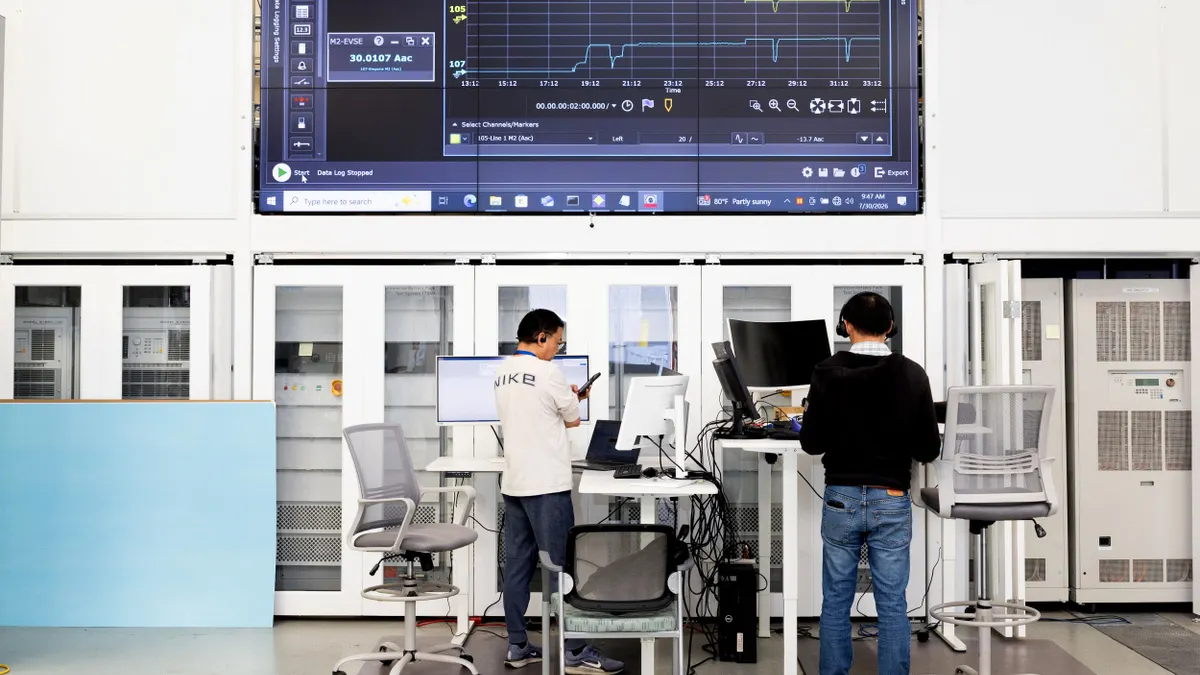 Benjamin Fanjoy / Stringer via Getty Images
Connectivity has become key in office leasing decisions
Organizations are passing on buildings that can’t provide the digital backbone they need for AI and other advanced technologies they’re engaged in, WiredScore says.
-
 Ethan Miller/Getty Images via Getty Images
Amazon, Constellation sign 20-year PPA for 690 MW of nuclear energy
The tech giant and energy producer are backing improvements and renovations at the 1,790-megawatt Calvert Cliffs Clean Energy Center, Maryland’s largest source of emissions-free energy.
-
 David Ramos via Getty Images
LG Electronics makes US push into AI data center cooling
The company plans to build a 350,000-square-foot chiller manufacturing facility in Virginia backed by a large long-term supply agreement, it announced last week.

