Expect parking lot repairs to cost more and take longer because of oil disruptions from the conflict in Iran, paving companies say.
“When crude oil prices surge, asphalt costs typically follow,” Los Angeles-based Victory Paving says on its website. “A $10 increase in crude oil prices can translate to a 2-3% rise in asphalt costs.”
Costs of asphalt cement, polymer liquid asphalt and other petroleum-based products that go into pavement differ widely by area, but data show prices rising in many parts of the country.
In the past 12 months, the average asphalt price per ton has risen from $610 to $638 in New York, from $636 to $649 in New Jersey and from $610 to $638 in Vermont.
Not every state is seeing an increase. In Kansas, for example, the price for a short ton of asphalt is $496, down from $533 in March 2025.
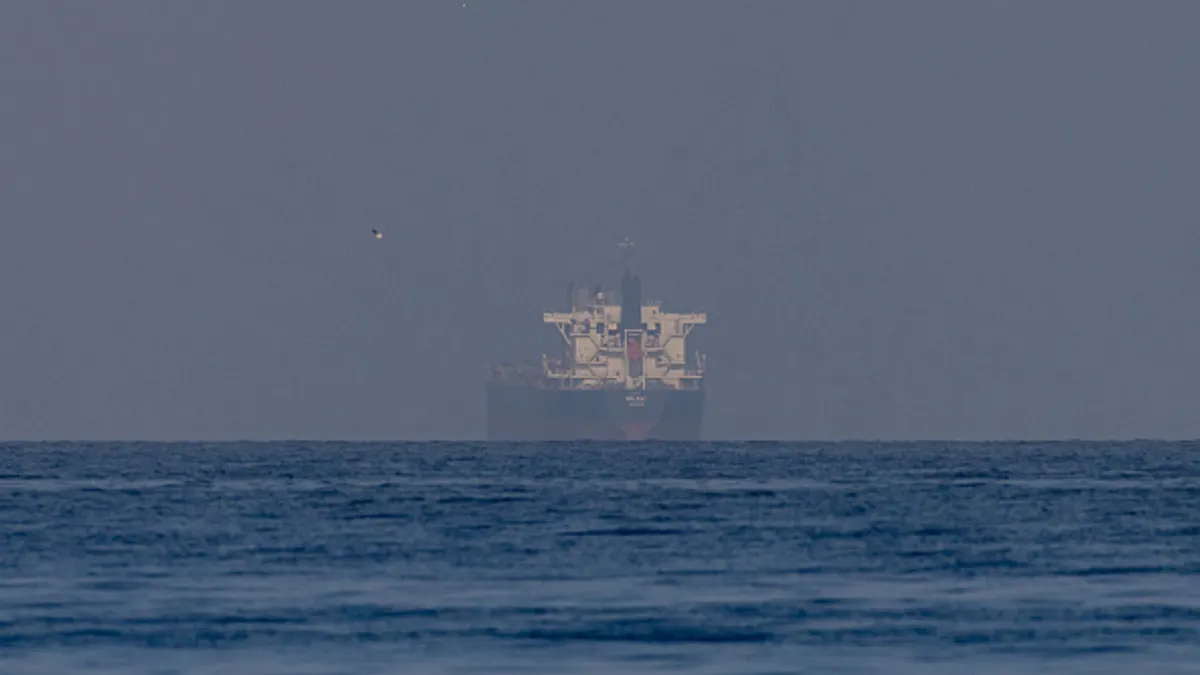
Because of lags in reporting, the impact of the Iran conflict on asphalt costs likely hasn’t been fully recognized as of mid-March, analysts say, but crude oil prices have been surging since the conflict began, with the Brent Crude index rising to just over $100 per barrel on March 16, from about $67 a month earlier.
“Rising refining costs are set to sharply increase asphalt wholesale and retail pricing in the coming weeks in the U.S.,” Poten & Partners says in a report.
Repair decisions
If prices continue to rise, facilities managers could face a tough decision about when to move forward with a project if they have a parking lot, walkway or other infrastructure that needs to be repaired, New Jersey-based Brahney Paving says.
“A parking lot paving project that cost $250,000 in one year could cost substantially more … if the index rises due to supply disruptions, diesel price increases, or refinery constraints,” the company says on its website.
When supplies get tight, the company says, refineries tend to prioritize production of higher-margin products like gasoline, diesel and jet fuel. That pushes back asphalt production and leads to increases in liquid asphalt prices, asphalt plant production slowdowns, delivery delays, bid price volatility and an increased use of escalation clauses in paving contracts, the company says. Delivery costs go up, too, because of higher diesel prices.
“The result is a ripple effect throughout the construction and pavement maintenance industry,” the company says.
“With the cost of asphalt on the rise all around the country, it may not seem like now is the best time [to get some paving work done],” says Northern Virginia-based Paveco. “Even so, there’s an argument that waiting longer could make your project more expensive.”
For facilities that don’t have the budget for full milling and paving at current prices, it can make sense to undertake smaller-scale work until prices drop, but you want to match the project to the condition of the surface, Brahney Paving says.
Throw-and-patch repairs
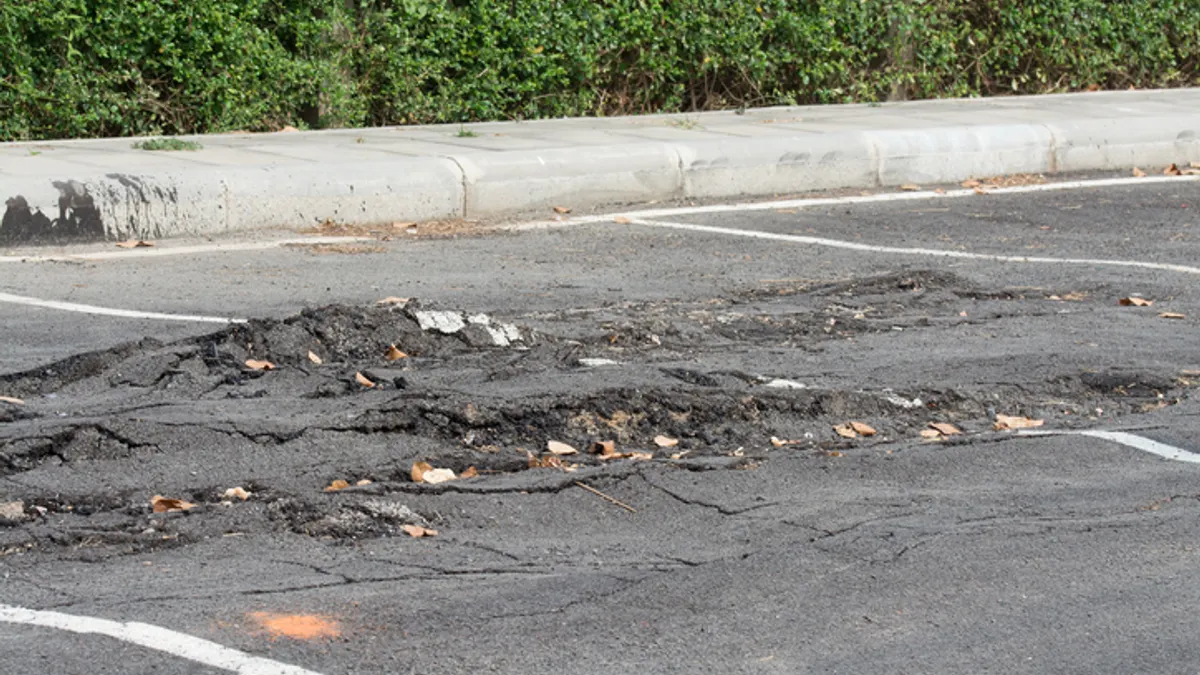
If the parking lot is nearing the end of its lifecycle and is full of potholes, a short-term solution is hot mix asphalt throw-and-patch repairs, Brahney says. Hot mix eliminates trip and fall hazards, reduces risk to cars and extends pavement usability for a few more years without requiring a big capital investment.
“While not a permanent repair, it can significantly improve safety and operational functionality [while you] plan for future paving when markets stabilize,” the company says.
Infrared repairs
If the parking lot is still in relatively good repair with a few problem areas, infrared asphalt repair could make sense, Brahney says. Infrared repairs involve reheating the pavement and thermally bonding new asphalt to the problem areas.
It’s a longer-lasting repair that reduces water infiltration, improves aesthetics and protects the long-term value of the pavement, the company says.
Large-area replacement
When large sections of pavement have base failure — what’s known as fatigue cracking or alligator cracking — an appropriate repair can be removal and replacement of the sections in the worst condition, Brahney says.
This approach prevents further deterioration of the surface, reduces recurring potholes, maintains load-bearing capacity, improves drainage performance and reduces long-term repair costs, Brahney says. “Strategic sectional reconstruction can help stabilize a property until full capital paving becomes feasible,” the company says.
Sealcoating
Spraying on a water-resistant coating is the quickest and least expensive type of treatment but it should just be used for cosmetic purposes, not as a substitute for repairs, Brahney says.
“When used on parking lots that have widespread cracking, potholes, or base failure, sealcoating can create serious long-term financial consequences,” the company says. “[It’s] one of the biggest mistakes commercial property owners and facility managers make.”
Among other things, it can trap moisture and accelerate deterioration, leading to larger reconstruction costs later. “Sealcoating is purely cosmetic,” Brahney says. “If the pavement structure is already compromised, it does not restore load-bearing capacity or stop structural failure.”
Bottom line: With asphalt costs expected to rise, it can make sense to undertake limited projects now to maintain pavement until prices stabilize, paving companies say.